

Learn all about yeast for bread baking—what it is, the different types, how to use and store it, substitutions, and more!
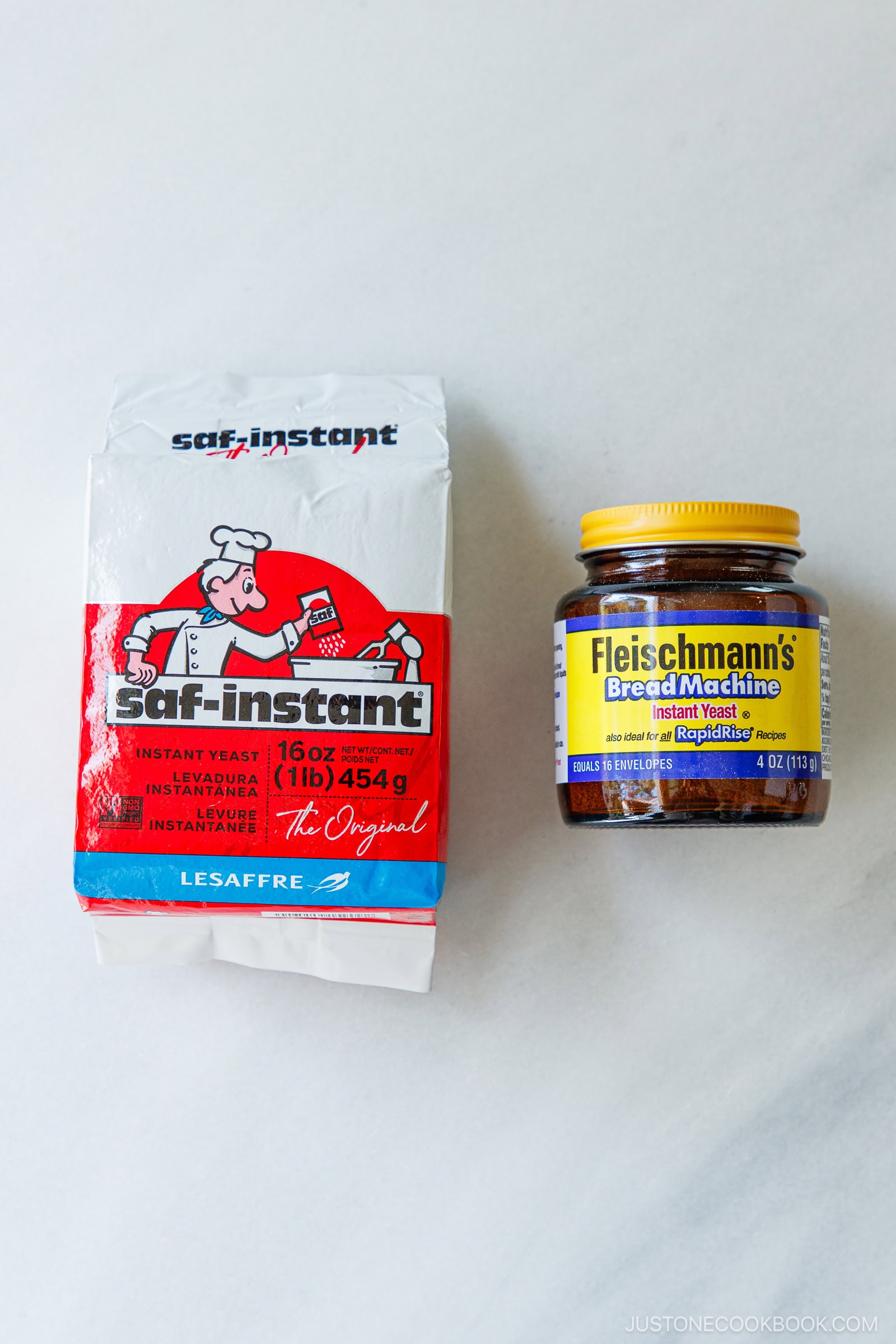
Yeast is the living ingredient that makes bread rise, giving Shokupan (Japanese Milk Bread), Anpan (red bean bread) or Pon de Ring donuts their fluffy texture. Once you understand what it does and which type to reach for, you’ll bake with far more consistency.
By the end of this guide, you’ll know exactly which yeast to use for your recipe and how to store it so it stays active until next time you use it.
What is Yeast?
Yeast is a single-celled microorganism that feeds on sugars and releases carbon dioxide gas as a byproduct.
In bread dough, the gluten network traps those tiny gas bubbles and causes the dough to rise. Heat during baking kills it and sets the structure, leaving you with a light, airy loaf.
Types of Yeast
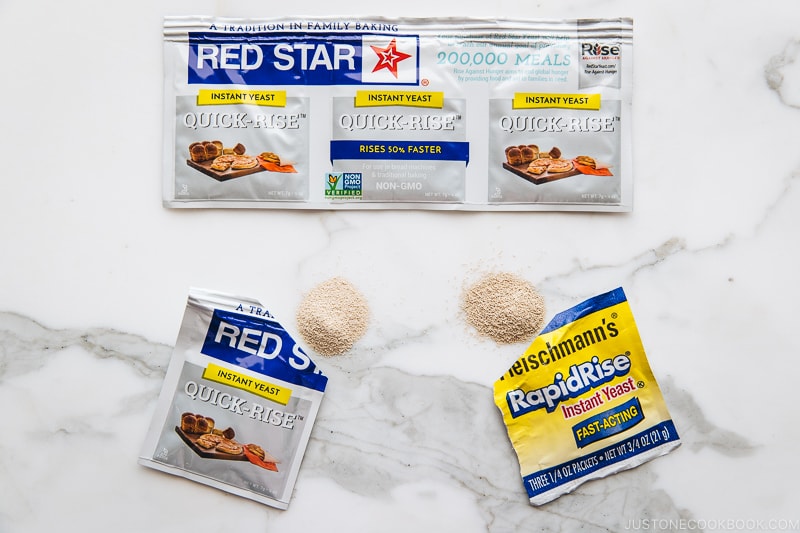
For most home baking, you’ll work with one of three common forms of commercial yeast.
1. Active Dry Yeast
Active dry yeast comes in small granules and requires proofing before use—dissolving it in warm water (around 100–110°F / 38–43°C) for about 5 to 10 minutes until it foams. This step confirms it’s alive before you add it to your dough.
It’s widely available and a reliable option if you want to test your yeast’s viability before committing to a full batch of dough. It is typically sold in individual packets or small jars. Once opened, store it in an airtight container in the refrigerator or freezer to keep it fresh.
2. Instant Yeast (Rapid- or Quick-Rise)
Instant yeast has finer granules than active dry and can be mixed directly into your dry ingredients without proofing. It works faster and is more tolerant of temperature variations, making it a popular choice for everyday baking.
Most shokupan recipes written for home bakers use it for its reliability and convenience.
3. Bread Machine Yeast
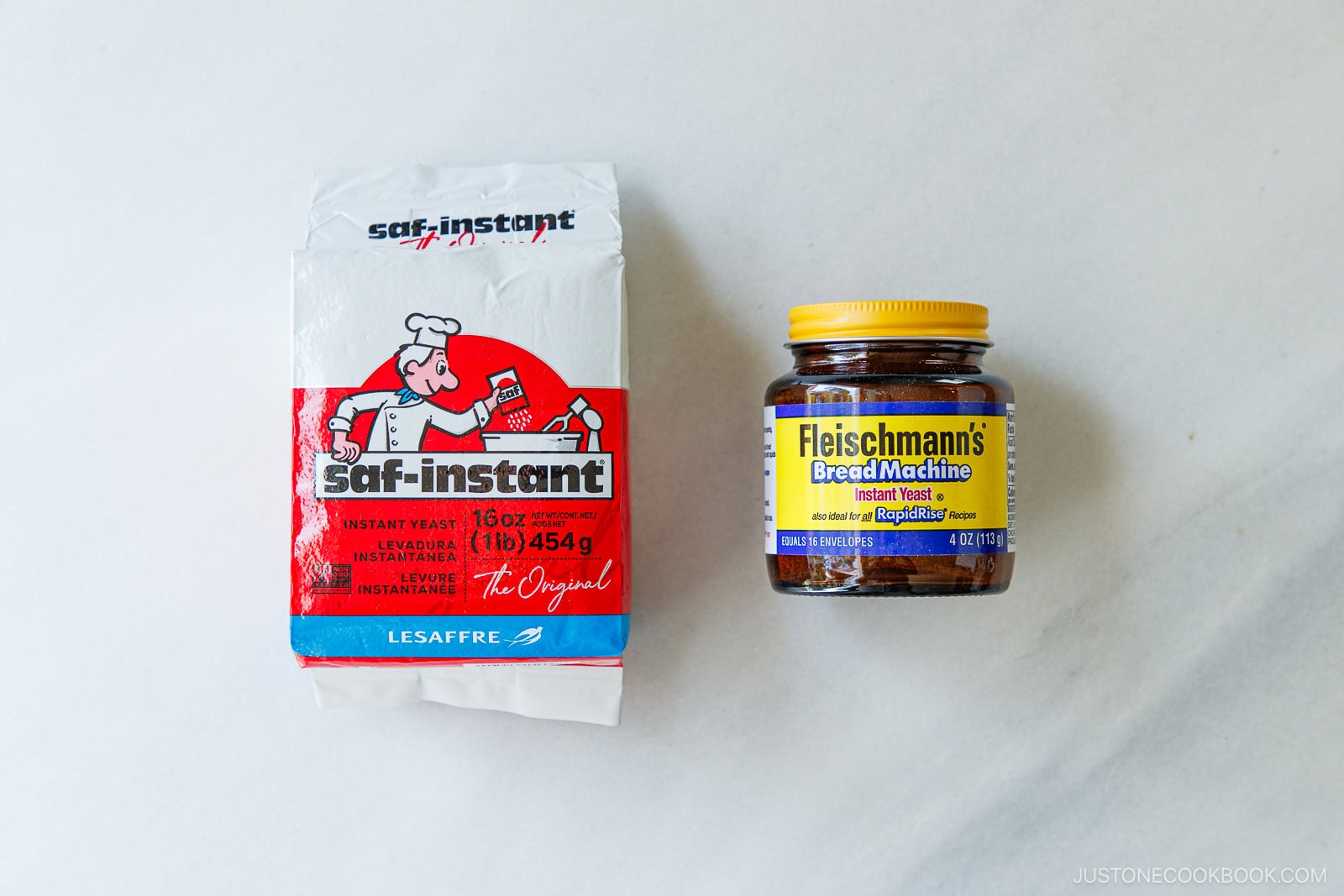
Bread machine yeast is essentially a form of instant yeast, milled even finer for quick hydration. It’s designed to work well in the enclosed, humid environment of a bread machine but performs just as well in hand-kneaded or stand mixer doughs. Use it exactly as you would instant yeast.
Substituting between Types
You can swap between active dry and instant yeast, but the amounts differ slightly. Use about 25% less instant yeast when substituting for active dry. For example, if a recipe calls for 1 teaspoon of active dry yeast, use ¾ teaspoon of instant yeast. (Or: 1 tsp instant yeast = 1¼ tsp active dry yeast.) Bread machine yeast and instant are interchangeable in equal amounts.

Nami’s Tips for Working with Yeast
These tips will help you work with yeast confidently every time you bake.
- Check your yeast before committing to a full batch – To test whether older yeast is still active, dissolve 1 teaspoon in ¼ cup of warm water with a pinch of sugar and wait 10 minutes. If it foams and bubbles, it’s active. If nothing happens, replace it before mixing your dough.
- Control the water temperature – Yeast is sensitive to heat. Cold water slows fermentation; hot water above 120°F (49°C) can kill it entirely. Aim for a final dough temperature between 79–82°F (26–28°C). In winter, use slightly warmer water to compensate for a cold kitchen. In summer, use cooler or refrigerated water to prevent over-fermentation during kneading.
- Don’t rush the rise – Resist the urge to add extra yeast to speed things up. Enriched doughs made with butter, eggs, or milk ferment more slowly by design. Too much yeast leads to over-fermentation and unpleasant flavor.
Storage Tips
Yeast is perishable. An unopened packet of active dry or instant yeast can be stored at room temperature. Once opened, transfer it to an airtight container and store it in the refrigerator or freezer for up to a year. Use it straight from the freezer without thawing.
FAQs
Why do Japanese baking recipes often call for a small amount of yeast compared to Western bread?
The enriched doughs made with butter, eggs, milk, or sugar ferment more slowly and benefit from a longer, gentler rise. Therefore, follow the recipe’s yeast quantity closely, and resist the urge to add more to speed things up. Too much yeast can cause the dough to over-ferment and develop an unpleasant flavor.
Is it okay to proof instant yeast?
Yes, it’s fine—you just don’t have to. Proofing is an optional extra step rather than a required one. That said, proofing it can be useful if your yeast has been sitting in the pantry for a while and you want to confirm it’s still active.
Japanese Baking Recipes
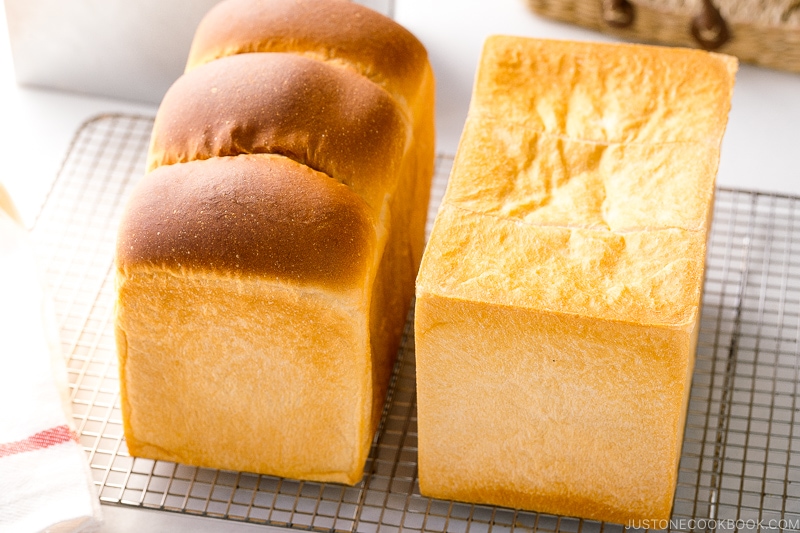
Japanese Milk Bread (Shokupan)
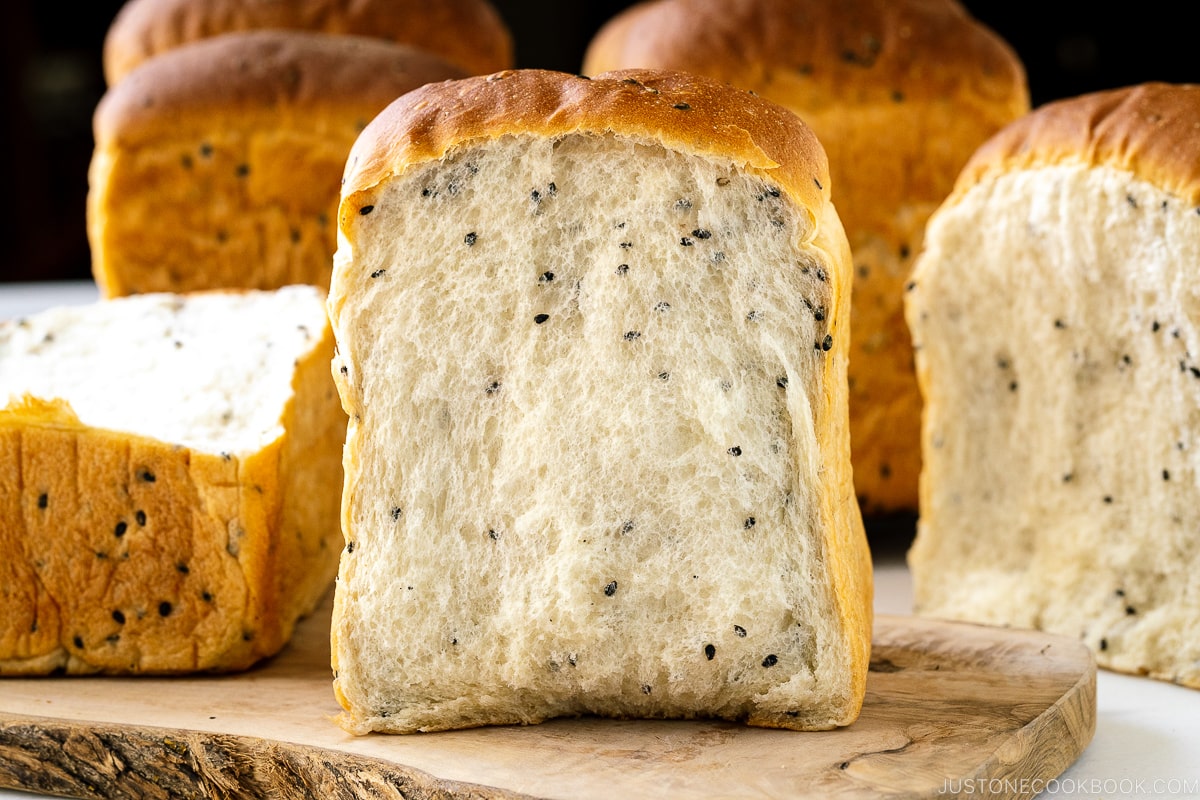
Black Sesame Milk Bread (Shokupan)
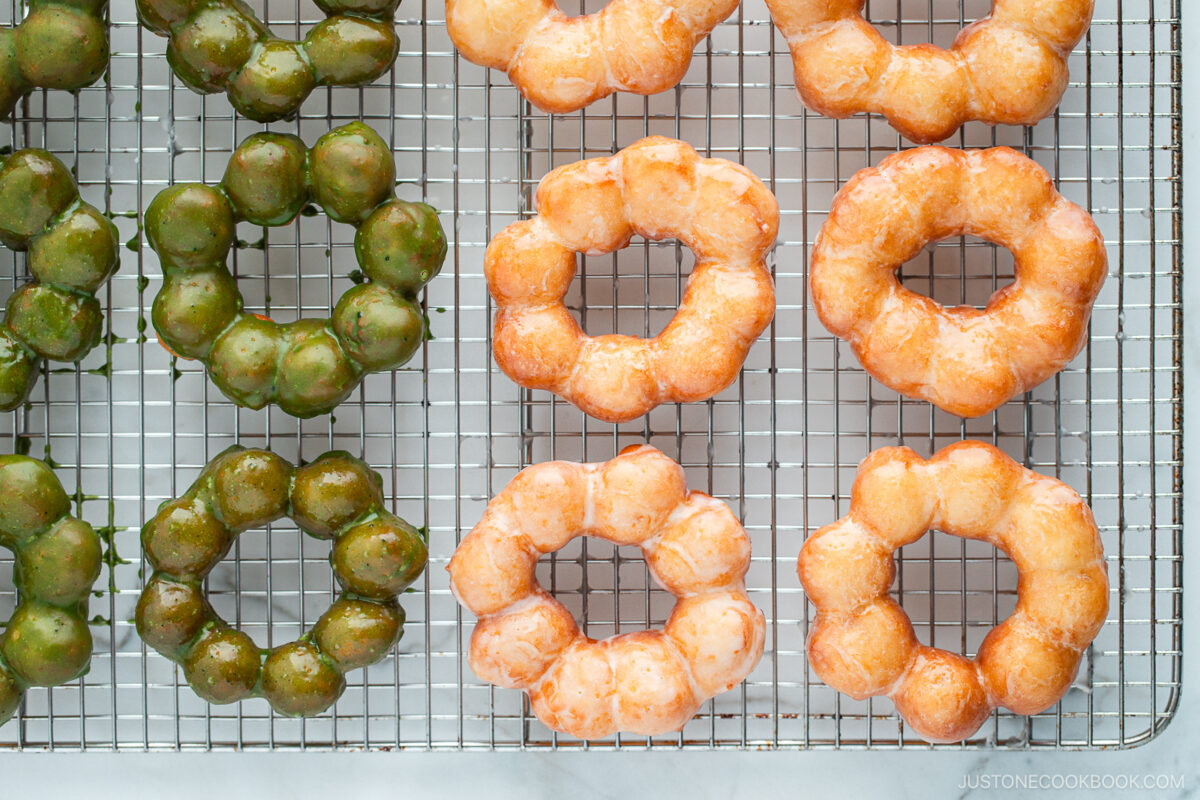
Pon de Ring Donut
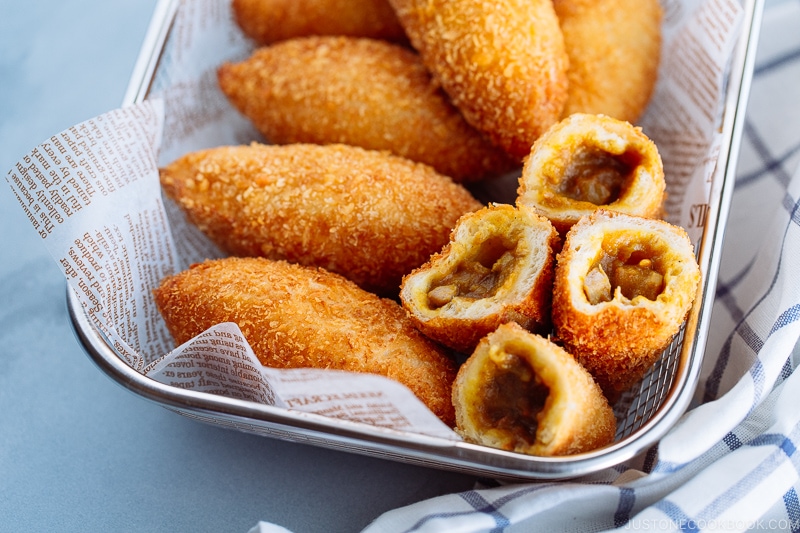
Curry Bread

Nama Donuts
Editor’s Note: This post was originally published on June 13, 2013, and updated with more helpful information on March 21, 2026.